Q. What are magical Mormon underpants?
We Mormons are usually pretty understanding and thick-skinned when it comes to questions about our faith, but it is offensive to us when some of our most sacred concepts are treated lightly. The holy garment is one example.
When I hear it called “magical underpants” I cringe. I realize you had no ill-intent; you were probably just repeating someone else’s words, but I hope to convey that sacred things need to be treated with dignity and respect.
 The holy garment is clothing worn beneath street clothes of latter-day saints who have gone to the temple. When we go to the temple for the first time, we enter into an important covenant with the Lord. We promise, basically, that we will live in obedience to the Lord through sacrifice, purity, and giving. The Lord promises protection from temptation and physical harm, as well as a place at His right hand (if we honor our part of the covenant).
The garment is provided as part of that protection from temptation and physical harm. It is also a daily reminder of these promises we’ve made, much the same way a wedding ring reminds a man to devote himself to the vows he made to his wife.
Another part of the covenant is that we keep our covenants and our garments sacred and holy. There is a reason we don’t display them on the outside of our clothes. It’s the same reason a Mormon might balk at your question. Jesus taught on the mount, “Give not that which is holy unto the dogs, neither cast ye your pearls before swine, lest they trample them under their feet, and turn again and rend you” (Matthew 7:6).
And in case you think this is some sort of exclusive secret club, know that we want you to join us and enter into these same covenants with the Lord. You are invited!
Boyd K. Packer, the current president of the Quorum of the Twelve apostles gave this invitation (emphasis is mine):
“The ordinances and ceremonies of the temple are simple. They are beautiful. They are sacred. They are kept confidential lest they be given to those who are unprepared. Curiosity is not a preparation. Deep interest itself is not a preparation. Preparation for the ordinances includes preliminary steps: faith, repentance, baptism, confirmation, worthiness, a maturity and dignity worthy of one who comes invited as a guest into the house of the Lord.
“All who are worthy and qualify in every way may enter the temple, there to be introduced to the sacred rites and ordinances” (The Holy Temple, Packer 1995).
The garment means a lot to those who wear it, but it isn’t meant to be shown to the world. Please be one of our few allies in showing respect for our sacred things.
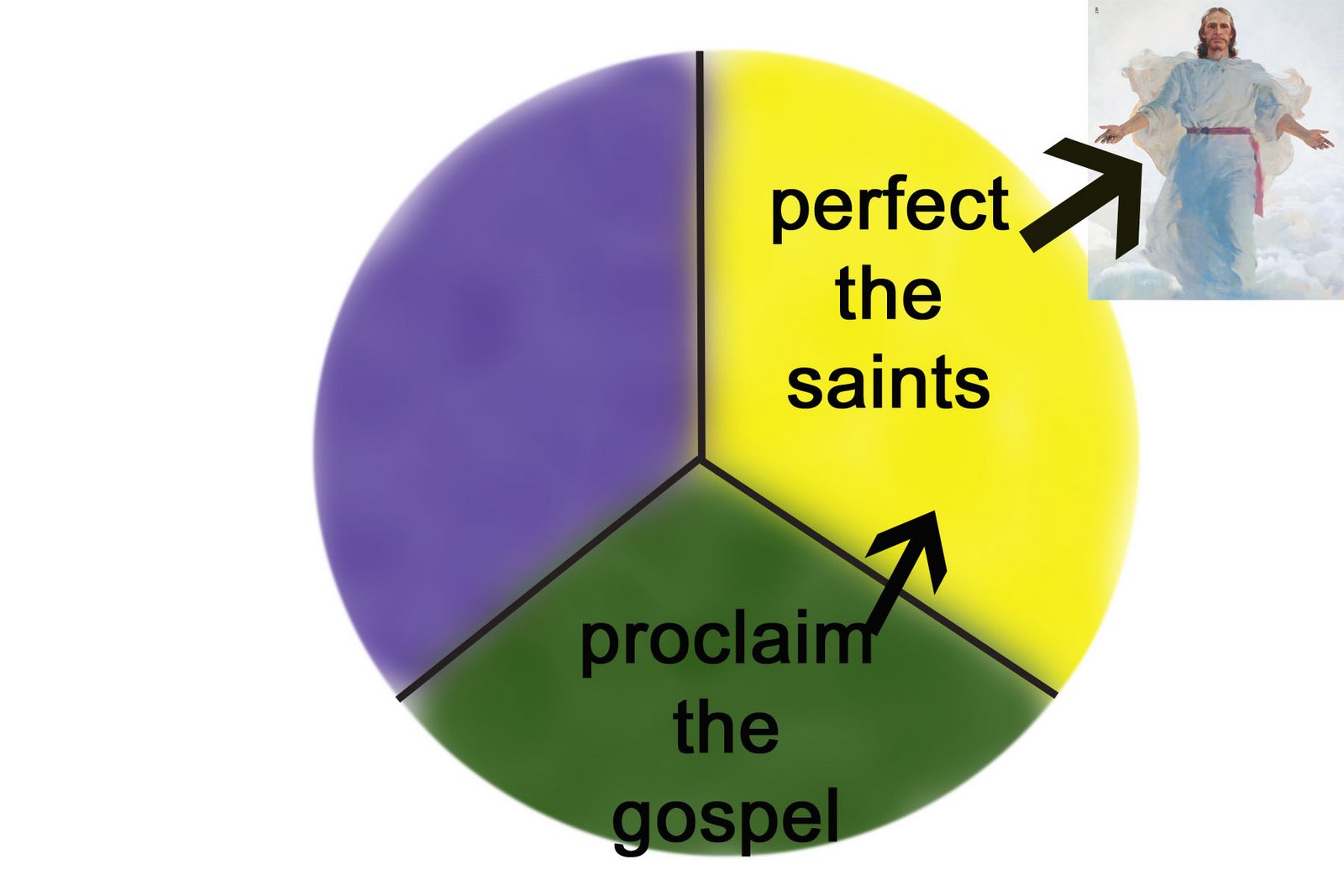
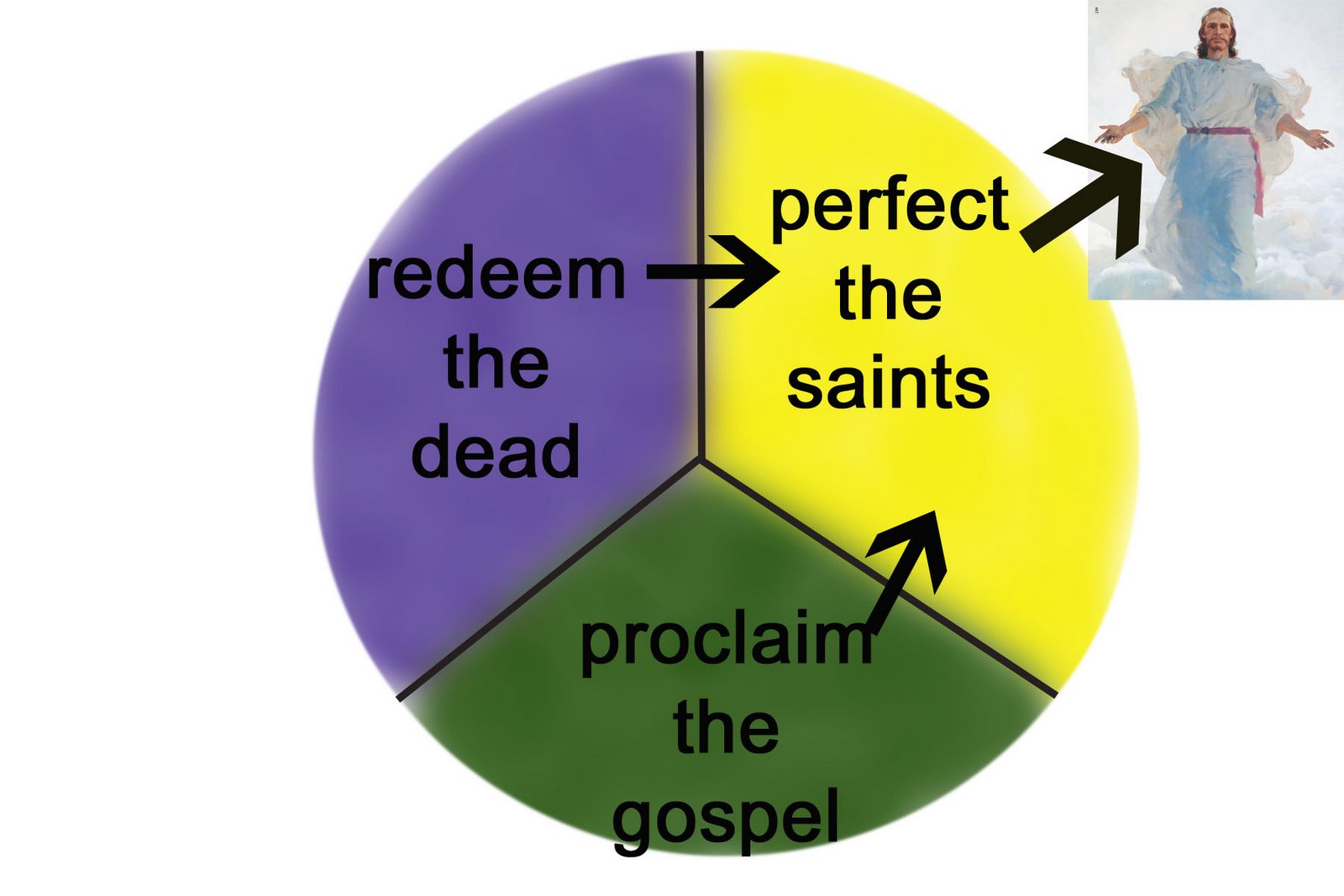
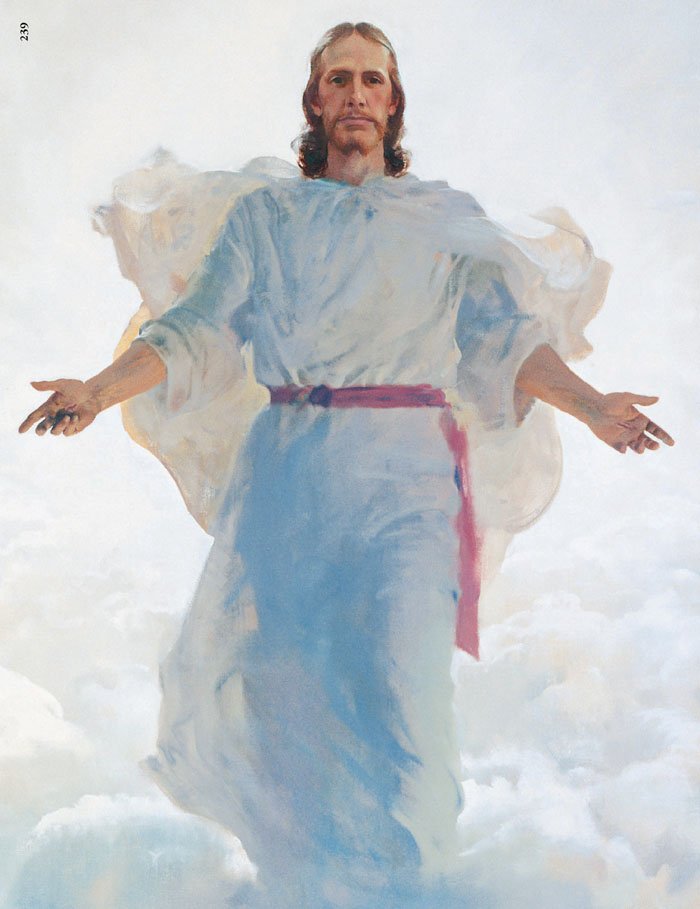 As a teenager, one of the things we were taught over and over was that the Church had a three-fold mission:
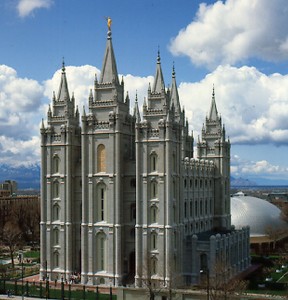
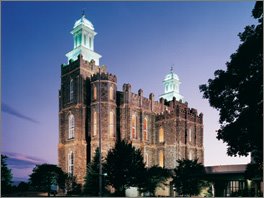 First, I want to discuss the question, “How do we learn at the temple?” God has always used symbolism to teach his children. For instance, Jesus taught in parables (symbolic stories), partly so that a wide range of people who were all at different stages of learning and understanding could be taught at once. This is no different in the temple. Virtually all teaching in the temple is accomplished in a symbolic way. For instance, have you ever wondered why the LDS temples are usually set on a hill, where they can be viewed easily, and are lit up at night? This is a symbol of the light of the Gospel that will eventually fill the whole earth. Or why is there a gold statute of an angel sounding a trumpet on the highest spire? This is a symbol that the Gospel of Jesus Christ has once more been restored to the earth and will be sounded to all nations. Or how about the exterior of the Salt Lake temple? On the lower level there are stars, the next level the moon and higher yet, the sun. This symbolizes the kingdoms of heaven, but also how we acquire more light and truth as we progress. These are three small examples of things we can learn from the outside of the temple.
 To learn effectively in the temple one needs to come to the temple in humility, being willing to be taught. We attend the temple as often as we can, because each time we are able to understand better what God is trying to teach us. In essence, the way we learn in the temple is the same way we learn in life, step by step and line upon line, receiving more knowledge, as we are able to understand it.
 At this point I want to comment on why the members of our church who have attended the temple do not talk openly about what occurs in the temple. First, these places and what takes place in them is sacred and there is no reason to flaunt before the world that which is sacred. I doubt that Moses said everything that he learned on Mount Sinai. After all, he was up there for forty days, certainly all he learned wasn’t the Ten Commandments. I know that many are curious about what takes place here, but mere curiosity and interest does not qualify a person for receiving this knowledge from God. God imparts knowledge only when we are ready to receive it. Thus, we hold things back and shield them from the world. Not because we are ashamed of them, but because our knowledge is sacred. I will say though, that nothing occurs that would be offensive to anyone.
 I do wish to inform you that before a temple of the LDS church is dedicated for use, it is opened to the public for tours—anyone, including those not of our faith can walk through on a guided tour. If there is one in your area being constructed, please take this opportunity to go on a tour, to see and feel for yourself the grandeur and awesomeness (proper usage of the word) of these buildings. Here is a